Mothering Them Both: Showing Up for Siblings of Medically Complex Children
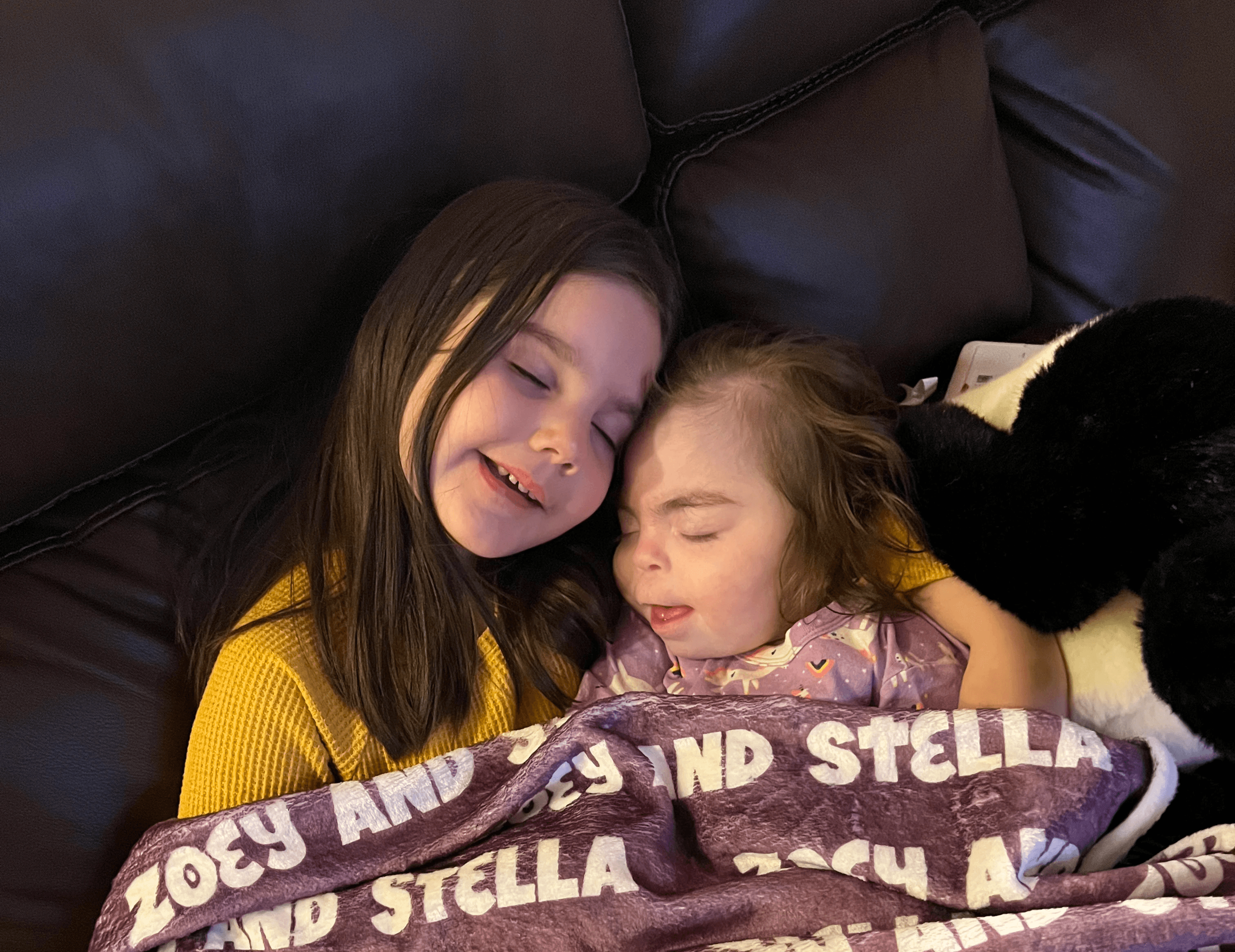
The Courageous Parents Network (CPN) seeks to provide parents of medically complex children the courage and confidence to function, thrive and grow, knowing that they are not alone. Kelsey shares her story alongside resources from the CPN.
My daughter Zoey was three and a half years old when she became a big sister. Like many parents expecting a second child, I spent my pregnancy thinking about how to help her adjust to sharing our attention with a new baby. What I couldn't prepare for was helping her become the sibling of a child with complex medical needs.
At five days old, her little sister Stella was diagnosed with two rare genetic conditions. She spent 35 days in the NICU before coming home under the care of eleven medical specialists. When Stella finally came home, Zoey’s introduction to sisterhood included learning about oxygen, feeding tubes, and infection control.
Supporting a Sibling Through Complexity
Caring for a sibling of a child with a serious medical condition isn’t something most parents feel prepared for. What helped us most was keeping things simple, honest, and centered on Zoey’s experience.
We learned to be honest, even when it was hard, use simple, age-appropriate language, follow Zoey’s lead in conversations and emotions, and lean on available support and resources.
We talked about how our bodies have “blueprints,” and that Stella’s worked differently. Zoey understood that everyone learns and grows in their own way. Stella not walking, talking, or eating the same way wasn’t “bad”, it just was.
Her questions were direct, and our answers were simple:
“Why can’t Stella eat this cookie?”
“Because her tummy works differently, and she’s still learning how to swallow. Her tube helps give her what she needs.”
“Okay. Can we do a puzzle now?”
Children process information in small, manageable pieces and then move forward. That’s something we learned to respect. The Courageous Parent's Network offers a toolkit to help navigate these conversations and early experiences.
Letting Your Child Lead
One of the most valuable lessons we learned was to follow Zoey’s lead, not just in what she said, but in how she behaved.
When things became especially heavy, like preparing for Stella’s death, we approached those conversations the same way: with honesty, simple language, and openness to Zoey’s cues.
The days leading up to Stella’s passing were spent together at her bedside, talking, creating art, and being present as a family. Zoey would shift between conversations about unicorns and questions about death. That emotional back-and-forth was how she processed and how she protected herself from becoming overwhelmed.
When it came time to say goodbye, we gave Zoey choices and honored them. She chose to be present. After Stella passed, she wanted to hold her and spend time with her body and we allowed that, for as long as she needed. It wasn’t easy. At times, it felt unnatural and deeply painful. But it was what Zoey needed to understand, grieve, and begin to process her loss. The Courageous Parent's Network offers resources for coping with loss.
You Don’t Have to Do This Alone
We could not have navigated this journey without support.
Child Life Specialists, nurses, physicians, and psychologists helped guide us in supporting Zoey. They provided insight into how children understand illness, death, and grief at different developmental stages. They encouraged us to include Zoey in Stella’s care, to invite her questions, and to create space for her experience as a sibling.
They also reminded us of something important: You don’t have to have all the answers to be a good parent. Showing up, being honest, and asking for help when you need it is enough.
This guide from the Courageous Parent's Network may help as you navigate your unique parenting journey: What Do We Mean When We Say, "Good Parent"? Guide by Courageous Parent Network
The Lasting Impact of Sibling Love
Stella passed away just before her second birthday. In their two years together, Zoey learned more than we could have ever imagined about love, sacrifice, resilience, and connection.
Today, Zoey is eight years old. She loves school, sports, drama, and her friends. Many of her friends never met Stella but they know her through Zoey’s stories, the photos in our home, and the way Zoey carries her forward. When Zoey sees white butterflies, unicorns, or heart shapes in nature, she believes Stella is saying hello.
I see in Zoey a deep empathy and emotional awareness that goes beyond her years. She is curious, inclusive, and eager to help others. Being Stella’s sister has shaped who she is and always will.
There are many things I continue to learn as Zoey’s mom. But one thing I feel certain about is this:
We walked alongside her, honestly, openly, and with support as she became a sister, and as she experienced loss. And in doing so, we helped her hold on to the most important thing of all: her connection to Stella.
Read More from the Ronald McDonald House Resource Link:
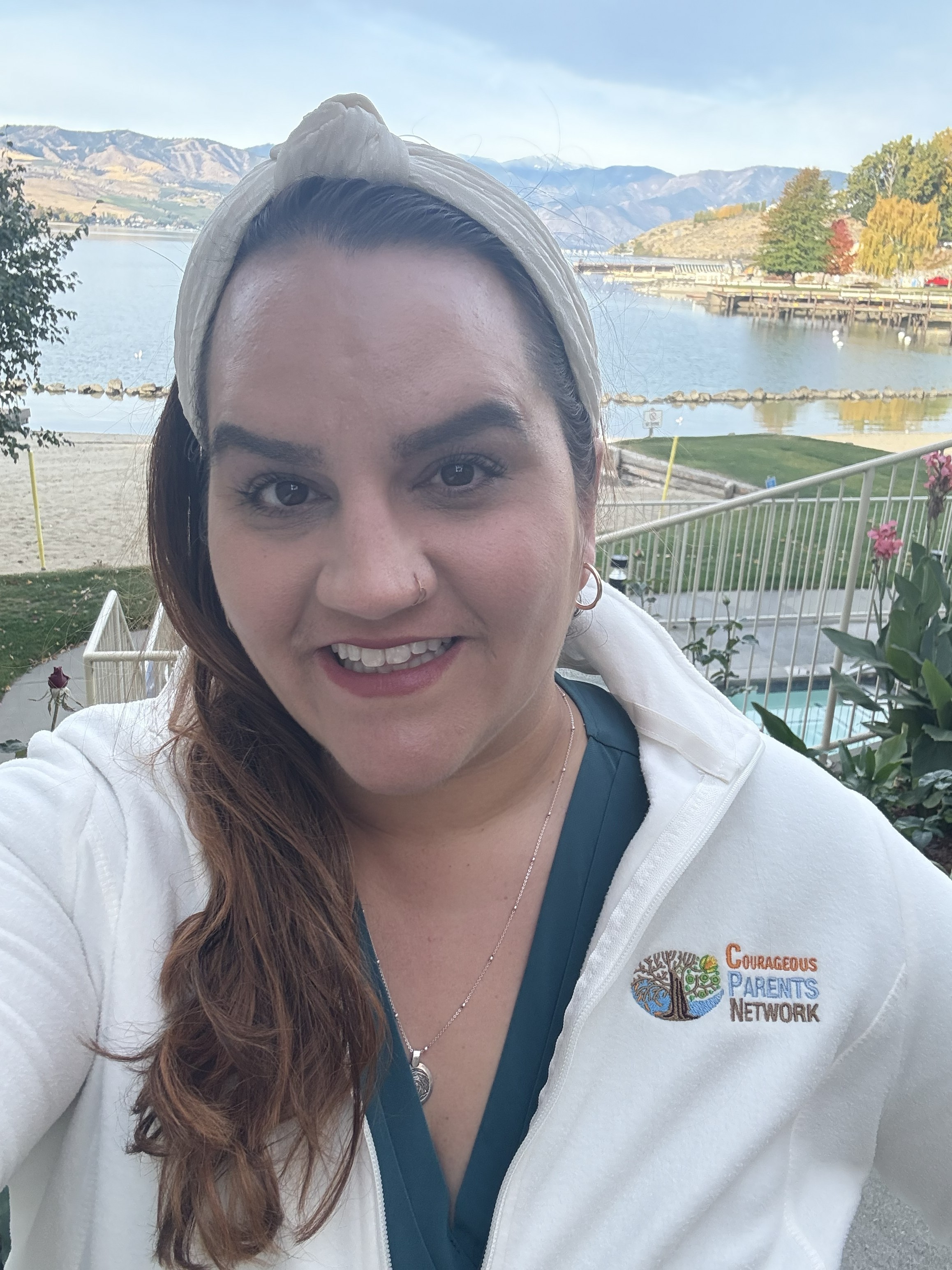
Kelsey lives in Tacoma, Washington with her husband, daughter Zoey, and dog Lincoln Beans. Kelsey is a mother to two, an RN, and Nursing Professor at Pacific Lutheran University. Her younger daughter, Stella, was born with two rare chromosomal abnormalities. With fourteen years of experience as a nurse Kelsey is committed to bridging her experiences of mom, caregiver and healthcare provider through her work as a Parent Champion for Courageous Parents Network.