Small Adaptations That Build Independence

When a child has a physical disability, it's easy to assume that increasing independence requires expensive equipment or major home modifications. While some accessibility needs do require specialized technology, many everyday challenges can be solved with simple, low-cost adaptations.
Learning to identify these small barriers, and finding creative ways to overcome them, helps children build confidence and prepares them for greater independence as they grow into adulthood. Whether at school, work, or home, simple adaptations can make everyday tasks easier and more accessible.
As an adult with cerebral palsy who uses a power wheelchair, I've learned that the best solutions are often the simplest. When I moved into my own office at work, I encountered several challenges that made using my workspace difficult. With a little creativity, I found inexpensive solutions that made a big difference. I hope these ideas encourage families to think creatively about adaptations that may help their own children.
Make Opening Doors Easier
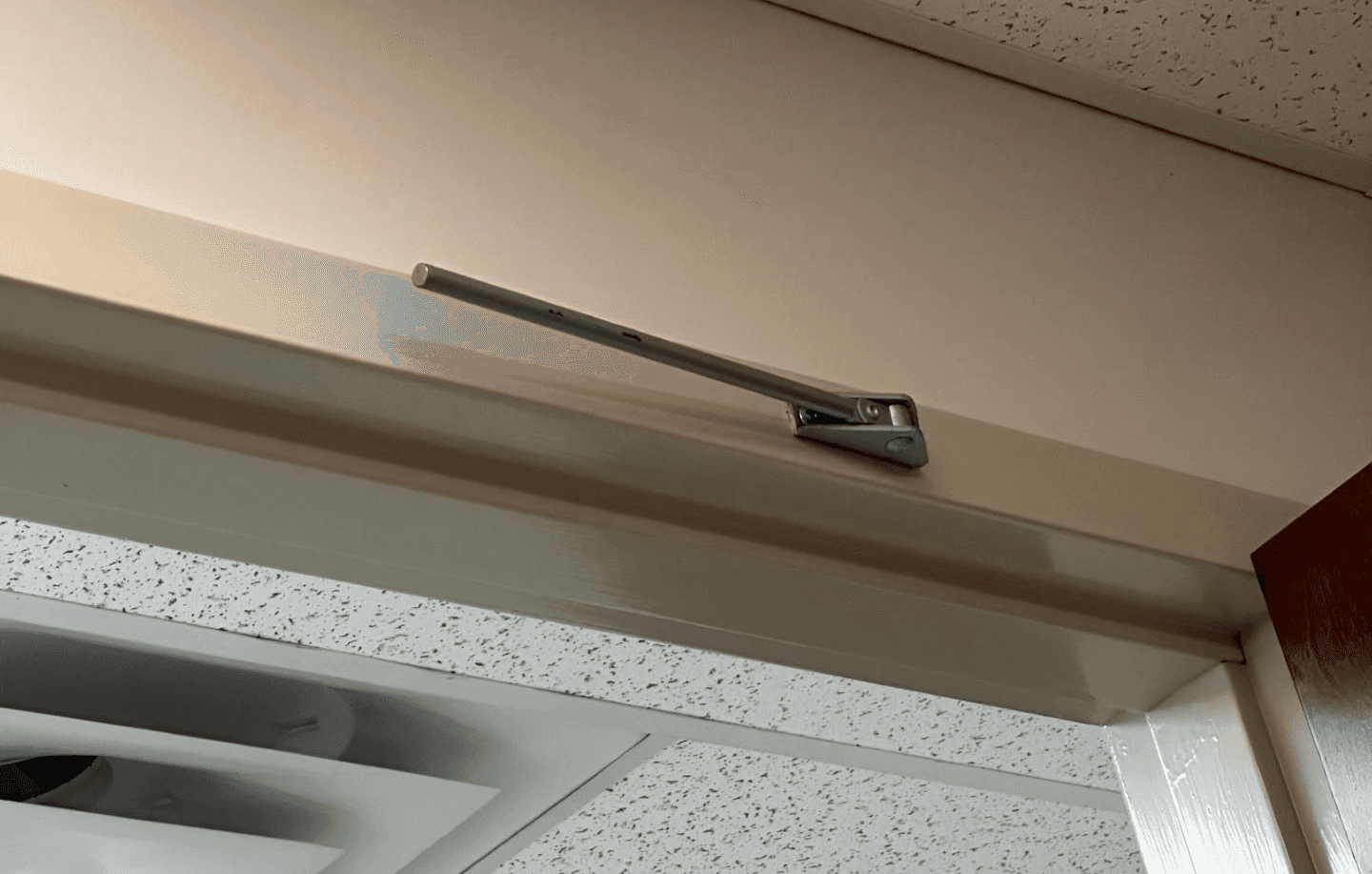
Heavy doors can be a challenge for people who use wheelchairs or have limited hand strength and dexterity. When I moved into my own office, the automatic door closer made it difficult to open the door without using both my hand and my wheelchair footrests. It also caused unnecessary wear on my wheelchair.
Instead of installing an expensive automatic door opener, I asked the property manager to remove the door closer. This simple, no-cost change made my office much easier to access while preventing damage to my wheelchair.
Improve Grip for Everyday Tasks
One adaptation I use is a Key Grip, a device that fits over a standard key to make it easier to hold and turn.
My Key Grip was created using a 3D printer through my county board of developmental disabilities, but similar adaptive grips are available in a variety of styles and can be fitted to most keys. Mine also includes a loop that attaches easily to a lanyard.
While opening a door may seem like a small task, being able to unlock it independently can build confidence and reduce the need to rely on someone else for assistance. Adaptive grips aren't just for keys, they can also be found for pencils, utensils, toothbrushes, and other everyday items, making daily routines more accessible and supporting greater independence over time.

Create Simple Solutions for Daily Challenges
Removing my office door closer solved one accessibility challenge, but it created another. I still needed a way to close the door independently. Pulling the door shut with my arm strained my shoulder, and maneuvering my wheelchair close enough often caused my footrests to bump and scratch the door.
A friend suggested a simple solution: connecting two lanyards together and looping one end around the door handle. I use the other end to gently pull the door closed while backing up my wheelchair. I call it my "door puller."
Through a little trial and error, I discovered that using two lanyards provides enough length and flexibility to prevent them from breaking under tension. I also recommend wrapping the lanyard around the doorknob or removing it from the door when it's not in use so it doesn't get caught on your wheelchair or other objects.
This inexpensive adaptation costs less than $20 and can be made with supplies from most craft stores. More importantly, it allows me to close my office door independently. Sometimes the best accessibility solutions come from sharing ideas, experimenting, and finding creative ways to make everyday tasks work for you.

Independence Starts with Small Changes
Every child deserves opportunities to do things on their own. Sometimes, building independence isn't about purchasing expensive equipment, it's about recognizing a barrier and finding a creative way around it.
Simple adaptations like these can make everyday tasks less frustrating, increase confidence, and help prepare children for school, work, and adult life. As your child grows, encourage them to problem-solve and explore adaptations that fit their unique abilities. Small changes today can lead to greater independence tomorrow.
More from the Ronald McDonald House Resource Link:

Mandeline is an Ohio resident living with cerebral palsy who uses a motorized wheelchair. She works as a recruiter for a provider serving adults with intellectual and developmental disabilities and has a background in education and Medicaid and Social Security benefits. Through her own experiences, she enjoys sharing practical, affordable accessibility solutions that help people with disabilities live and work more independently.